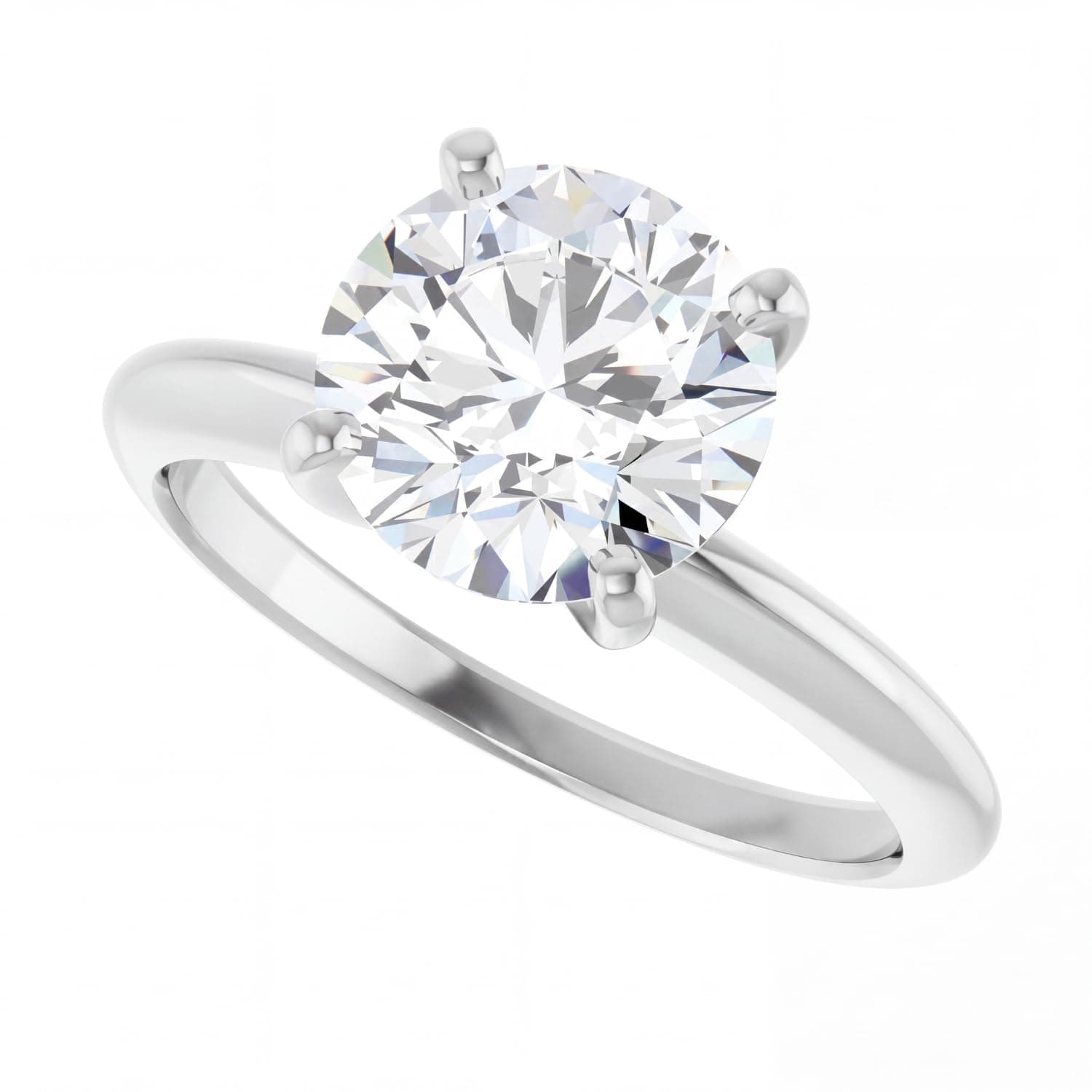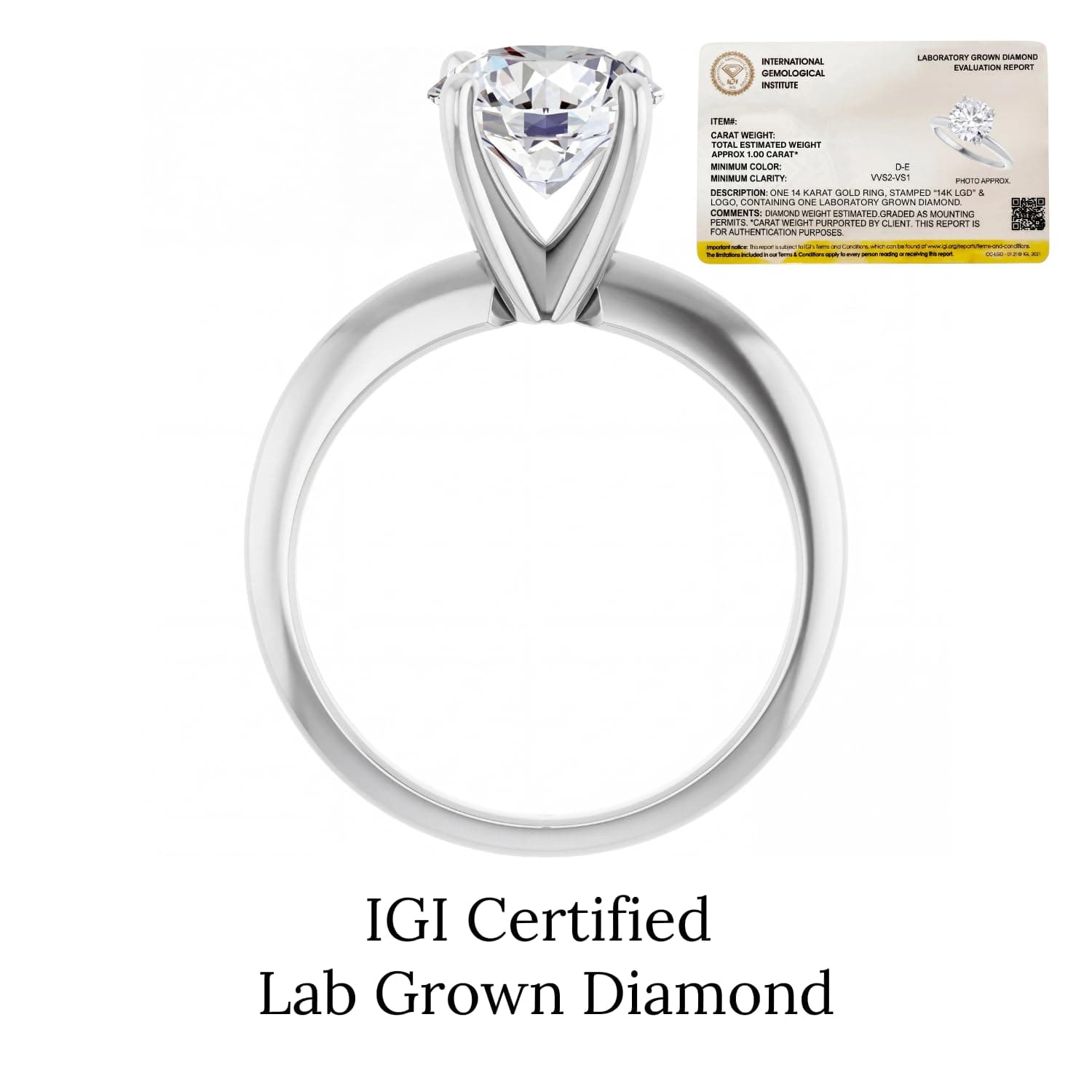
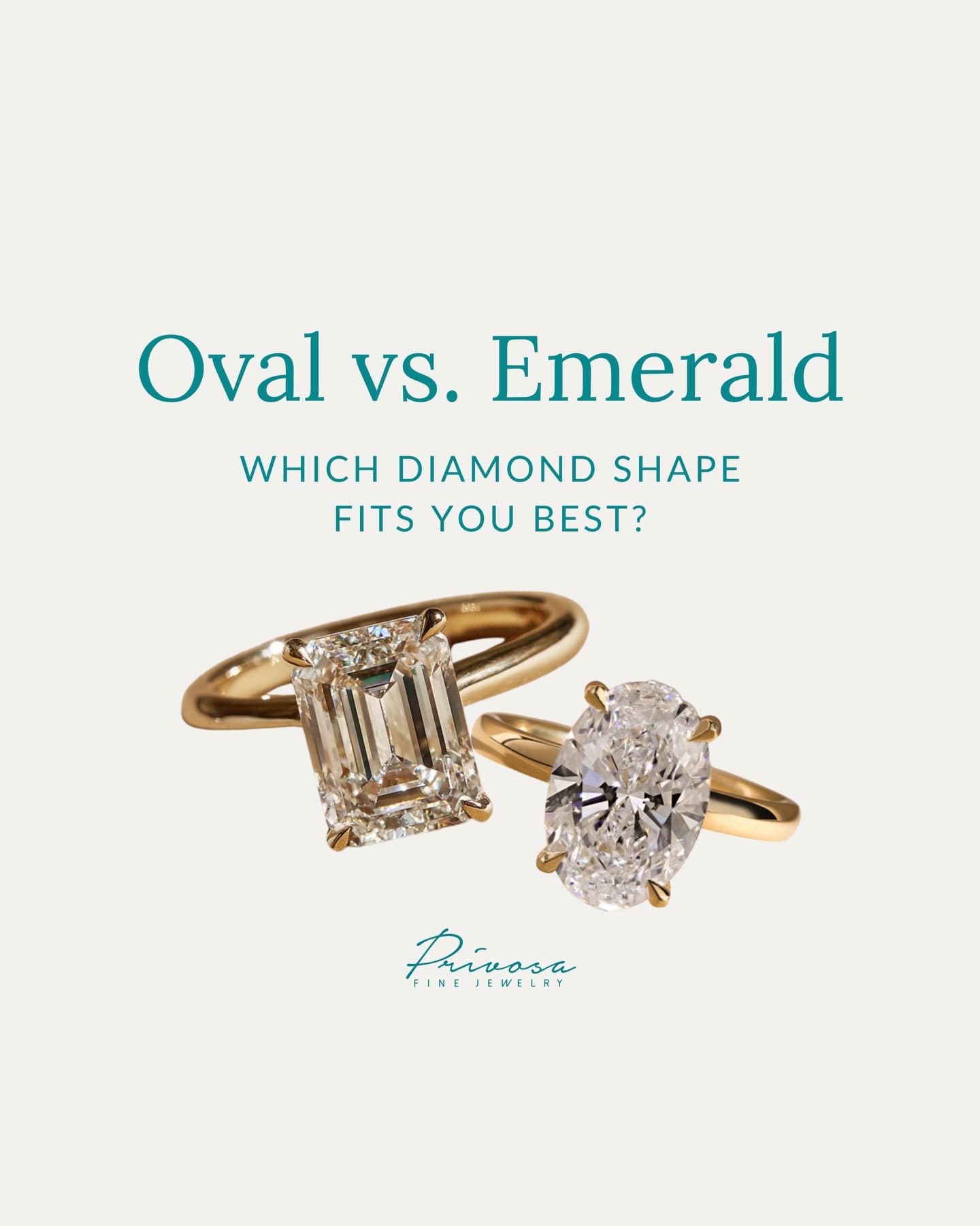
Every diamond shape has a temperament. Two of the most requested — the oval and the emerald — are often mentioned in the same breath because both are elongated, both flatter the hand, and both read as quietly modern. Yet they belong to opposite families of cutting, and once you know what to look for they behave so differently that choosing between them is really a choice between two kinds of light.
The short version is this: an oval sparkles and an emerald glows. One scatters light into fire; the other returns it in broad, glassy flashes. Neither is better. They simply suit different eyes, and different tempers. Here is how to tell which is yours.
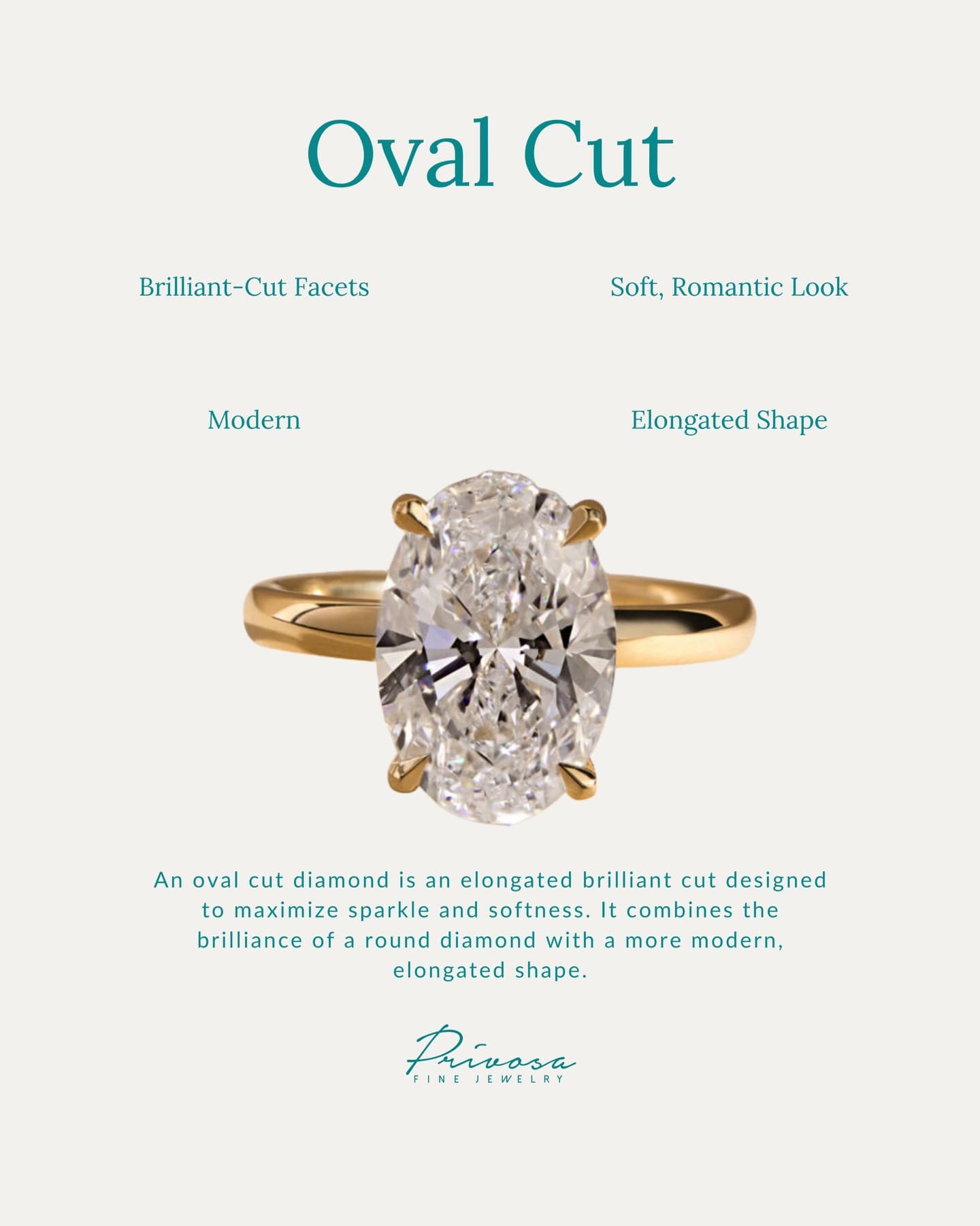
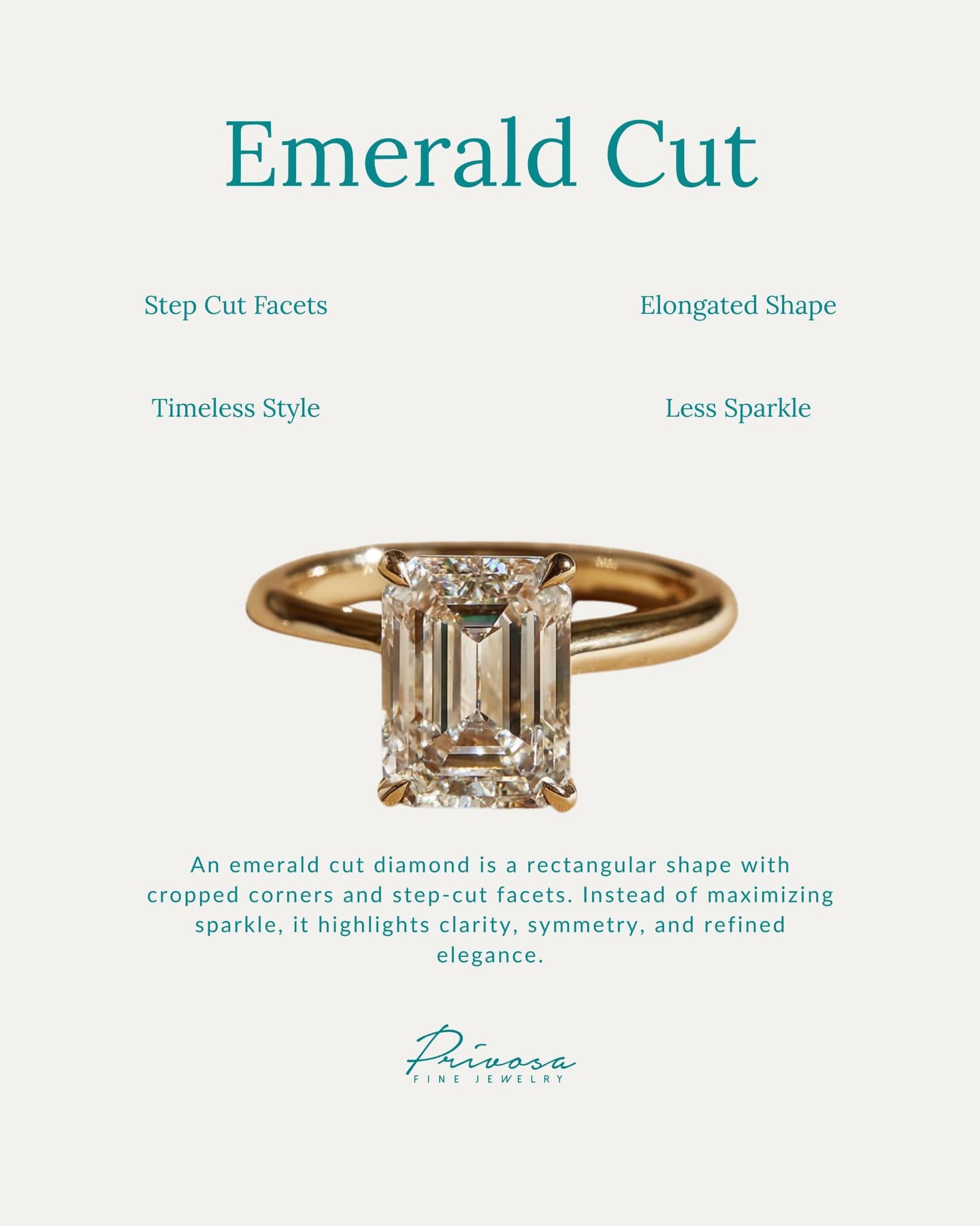
Brilliant cut versus step cut
The difference between the two begins with how the facets are arranged, and everything else follows from it. The oval is a brilliant cut: its facets are cut in triangular and kite shapes and angled to bounce light straight back at the eye as sparkle. The emerald is a step cut: its facets run in long, parallel rows — like the treads of a staircase — set parallel to the edges of the stone.
Two families of light
- Oval — brilliant cut
- Around 56 to 58 small, angled facets that scatter light into fire and sparkle (what gemologists call scintillation). Lively, and forgiving of small flaws.
- Emerald — step cut
- Long, parallel facets and a large open table that give broad flashes of light and shadow — the 'hall of mirrors' effect rather than sparkle. Glassy, calm, revealing.
That single decision — to scatter light or to reflect it in sheets — is why the two cuts hide and reveal such different things. A brilliant cut is busy enough to disguise a small inclusion or a hint of warmth in the color. A step cut is like a clear window: it shows you exactly what is inside.
The oval: soft fire, and forgiving
An oval is, in essence, a round brilliant drawn out lengthwise — so it carries the round's life and light, with a silhouette that is a little more distinctive.
- It sparkles the way a round does, because the faceting is nearly the same. If fire and brightness are what you love in a diamond, the oval delivers them.
- The brilliant faceting is forgiving. Small inclusions and a touch of warmth in the color tend to melt into the sparkle, so you can often ease the clarity and color grades without seeing the difference.
- The elongated shape slims the finger and can look a shade larger than a round of the same carat, because the weight is spread across a longer face.
- Watch for the bow-tie — a faint shadow shaped like a bow tie across the center, where light leaks instead of reflecting back. Every oval has some; a well-cut one keeps it subtle. This is a cut to see in person or on video before you commit.
The emerald: glass, lines, and restraint
An emerald cut asks for a different kind of attention. Instead of sparkle it offers long, mirror-like flashes as it moves — an effect people describe as glassy, architectural, or Art Deco.
- Its flash is broad and slow rather than fiery. As the hand turns, planes of light and dark trade places across the open table.
- That large table is a clear window into the stone, so inclusions and any tint of color show more readily. Emerald cuts are usually chosen eye-clean at a higher clarity (VS or better) and a slightly whiter color grade to keep the table clean.
- The clean lines read as understated and confident rather than showy — a quieter kind of luxury.
- Like the oval, it elongates the hand, and because so much of the stone sits in a broad, open face, it too can wear a little larger than its carat weight suggests.
How to choose between them
Start with the kind of light you are drawn to, then let the practical points settle the rest.
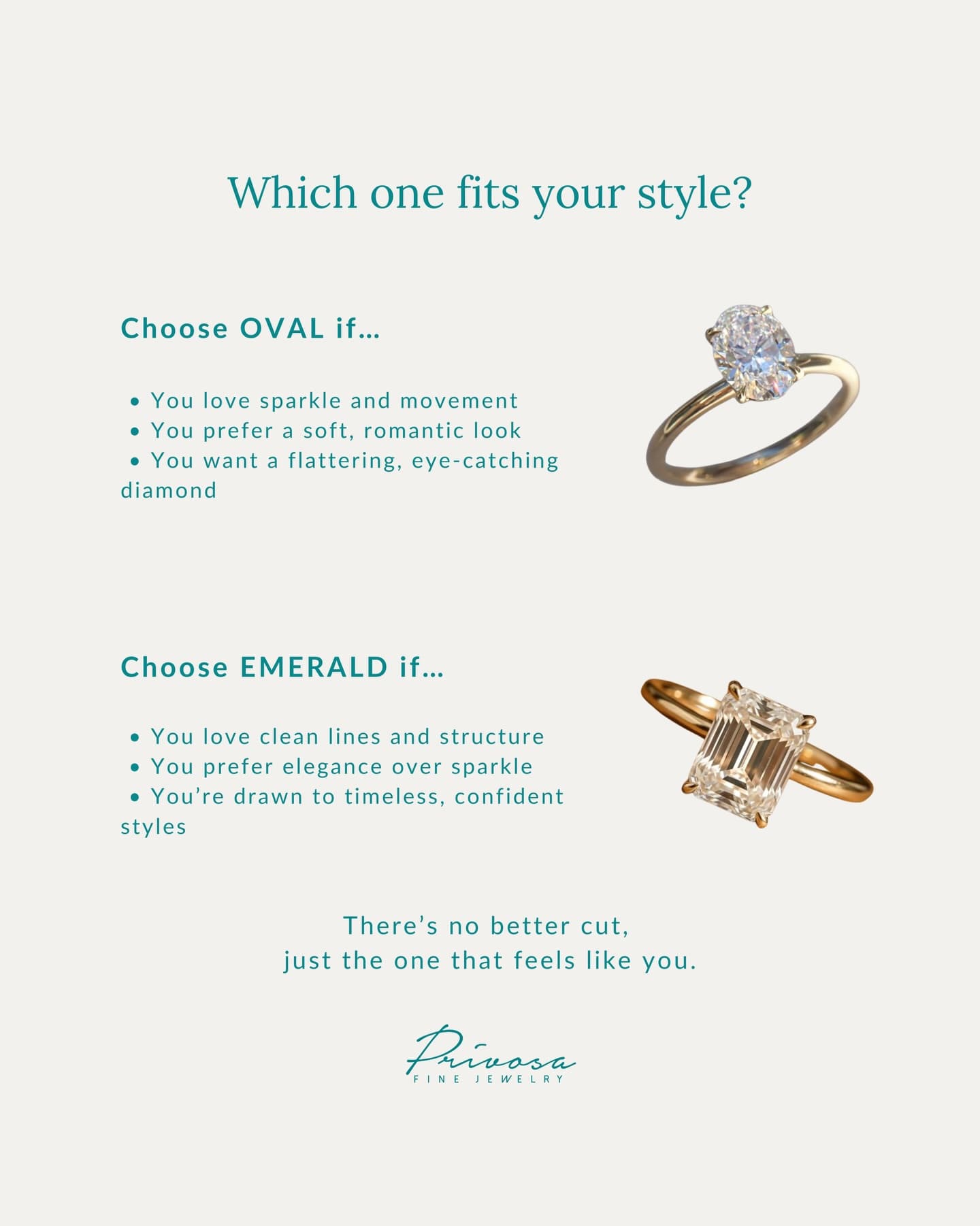
- Choose the oval if you want maximum sparkle, a little forgiveness on color and clarity, and a shape that feels warm and lively on the hand.
- Choose the emerald if you love clean lines and a calm, glassy flash — and are willing to spend on higher clarity and color to keep that open table clear.
- Both elongate the finger, so either is a flattering choice if that is your aim.
- In both cases, ask to see the actual stone move — the oval for its bow-tie, the emerald for its clarity. These are cuts that reward being seen, not just specified on paper.
An oval sparkles; an emerald glows. Choose the light you keep looking back at.
Frequently asked
Which sparkles more, an oval or an emerald cut?+
The oval. As a brilliant cut its facets are arranged to return light as fire and scintillation. The emerald is a step cut; instead of sparkle it gives broad, mirror-like flashes of light and shadow — a quieter, glassier look.
Does an emerald cut show inclusions and color more than an oval?+
Yes. Its large open table and long parallel facets act like a window into the stone, so inclusions and any warmth of color are easier to see. Emerald cuts are usually chosen eye-clean at higher clarity (VS or better) and a slightly whiter color, while an oval's brilliant faceting hides both more forgivingly.
What is the bow-tie effect in an oval diamond?+
A shadow shaped like a bow tie that can appear across the center of an oval (and other elongated brilliant cuts) where light leaks instead of reflecting back. Every oval has some; a well-cut one keeps it faint, so it is worth viewing an oval in person or on video before buying.